As more people make the switch, I thought I’d make my own curated list of tips for first time EV owners in Perth, Western Australia.
From someone who has completed a EV Big Lap and many Nullarbor crossings, I hope you’ll find my guide useful and have as much fun as I’m having.
Firstly, congrats and well done! You’re driving on Aussie produced energy and that puts a smile on my face.
Terminology that is good to familiarise yourself with:
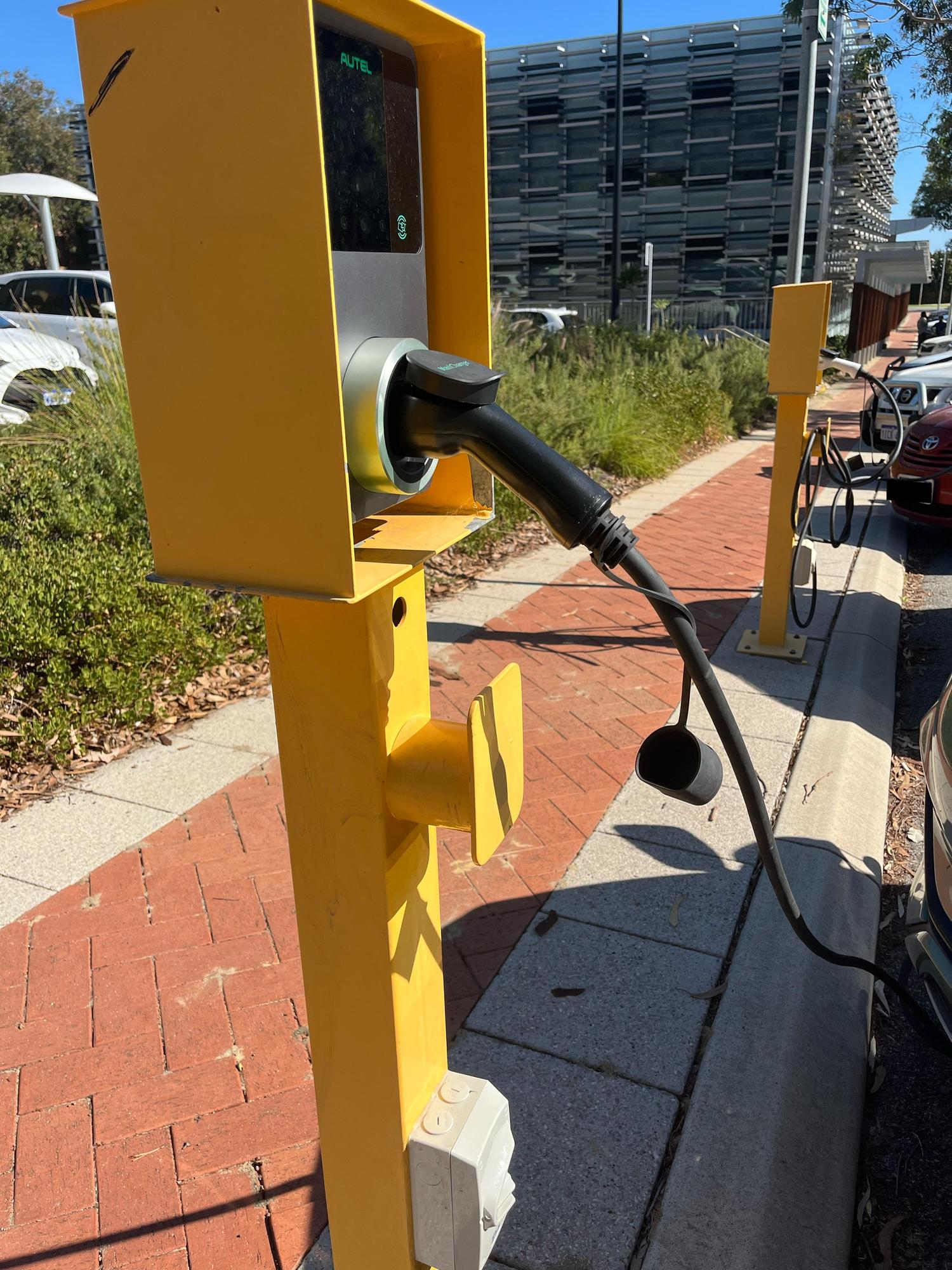
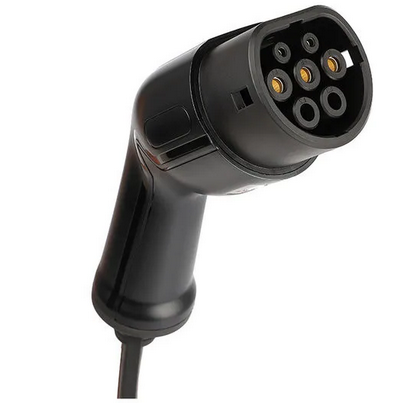
- AC Charging – Slow, from a wall outlet or via a Type2 outlet found at shops and car parks. Uses your car’s onboard charger. Very often “Bring your own cable”. Typical charge time is many hours.
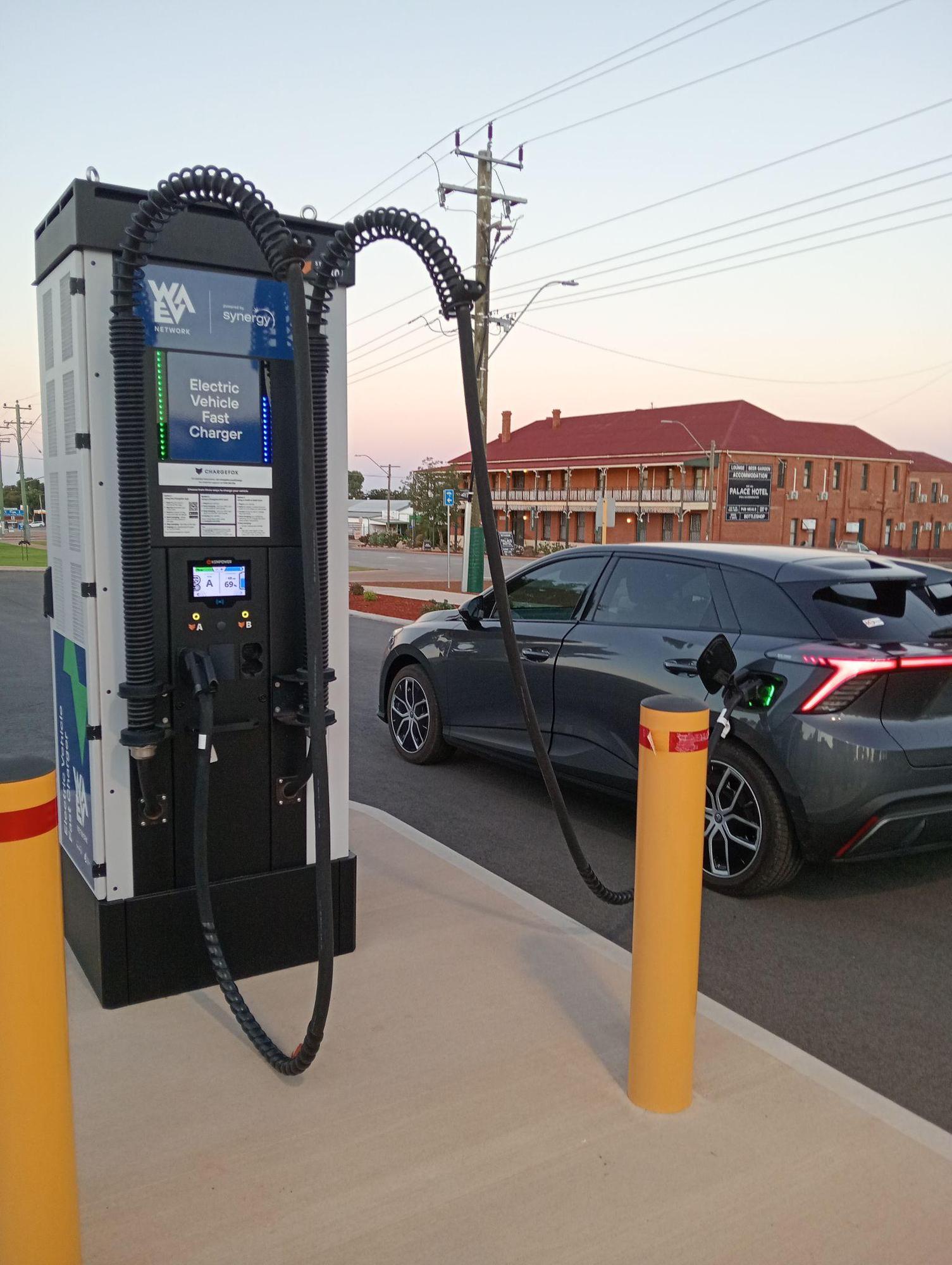
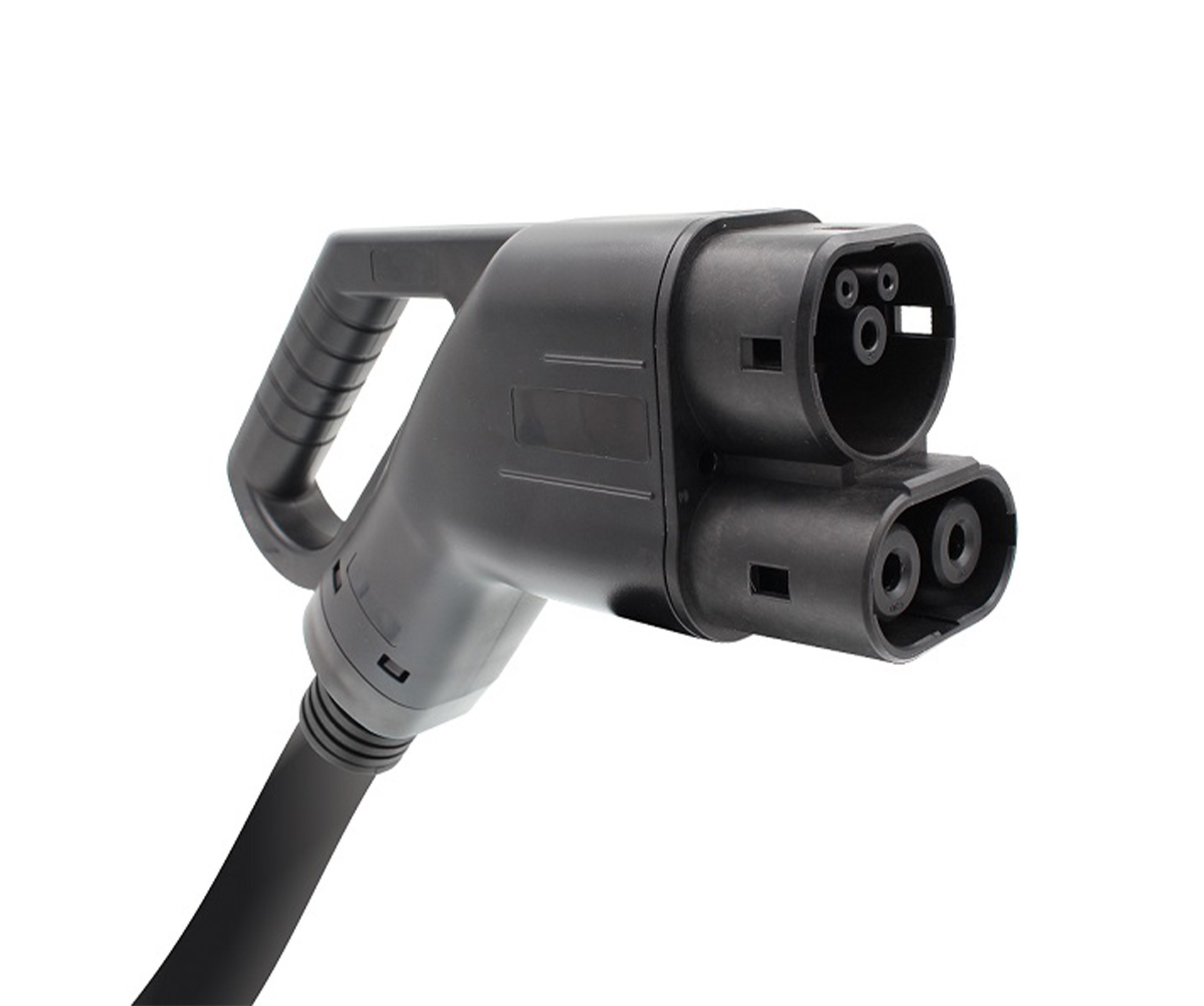
- DC Charging – Faster, direct to the battery via the big pins on the connector from a big noisy cabinet (external charger). Always has cable attached. Typical charge time is 10-30 minutes.
Apps you’ll be needing:
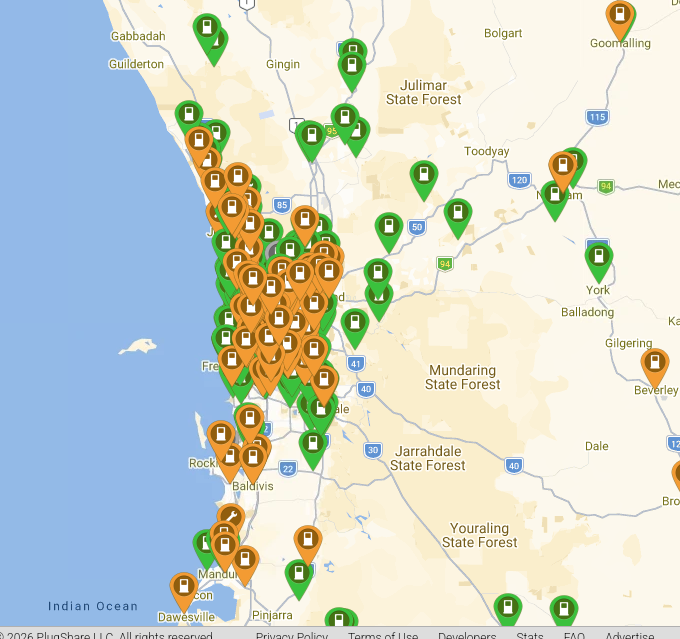
- Plugshare (app or website) – shows all charge options from every network. This is what you’ll use when road tripping to make sure a charger is working ahead of time. Create an account so you can help the community by “checking in” to mark working and non working chargers whilst road tripping. Green icons are AC sites (slow), orange icons are DC Fast Chargers.
- A Better Route Planner – (app or website – works best on a bigger screen). This is the best tool for road trip planning. It knows all the charger locations and their limitations (unlike your car’s in-built planner), and also knows the characteristics of your particular car model if set up correctly.
- Chargefox app – Set this up with a credit card, its the most commonly used payment provider for charge station owners. Once you have it – use the app to order an RFID card and store it in your glove-box. This gives you another option to activate a charger if your phone is flat or there’s no coverage. You need to register the card using the Chargefox app once you receive it. You can also register the same RFID card with other networks as well so you only need the card. The government owned WA EV Network uses Chargefox.
- Tesla app – “Superchargers” (their brand name) are the gold standard on reliability (99.9%) – you can assume they’re working without checking plugshare beforehand. The Tesla app is required to activate Tesla superchargers (you’ll need to enter your payment info first). Be aware that not all Tesla Supercharger stations are open to non-tesla cars – check first! For example – Williams supercharger is open to all cars, but Lancelin supercharger and Eaton supercharger are Tesla only (theres WA EV Network chargers nearby you can use though.) .
- Other optional apps for charge networks you’ll likely encounter in WA that are handy to have set up ready to go: BP Pulse, Ampol, Exploren, WeVolt.
- WA EV Network – Charger Map by TOCWA. This is a critically important website for WA road trippers (and for keeping the WA government honest) – real time and historical reliability map for our government run state-wide charger network.
Cables you’ll be needing in Australia:
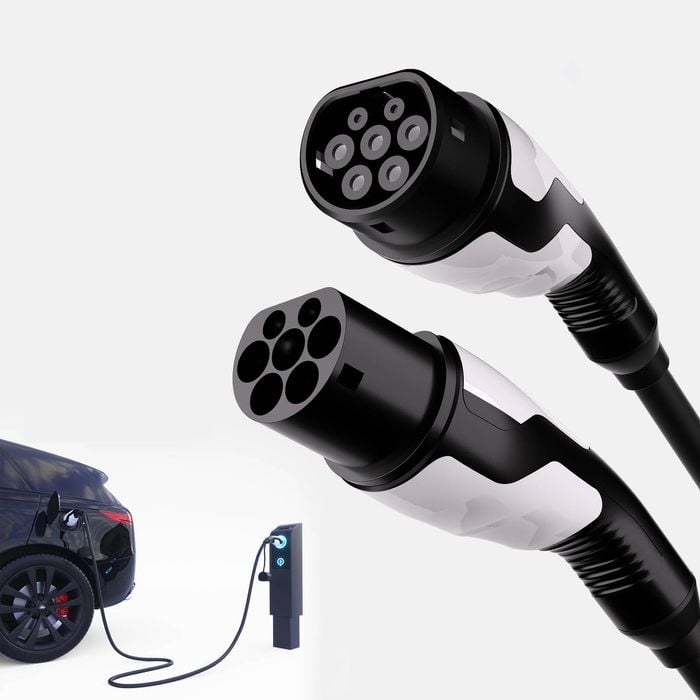
- A good percentage of AC charge stations are “Bring your own cable”. For example, at WA EV Network stations around Western Australia, there is a AC Type 2 fallback in case the DC Fast charger is busy or not working. This is the one you’ll need:
– 32A 22kW “type 2 to type 2” 3 phase.
Do not deviate from these exact specs if you want to avoid slow charging speed. You can skip the italics if you don’t want the technical reason but here it is: 32A is required to get the full 7kW from single phase charge stations – even if your car is only rated at 16A 3 phase (11 kW) – you car parallels 2 phases to enable 32A single phase charging. If you get a 16A cable you’ll be limited to 3.6kW at a 7kW station.
Here are 2 examples of the correct cable to get, and you should store this cable in your car:
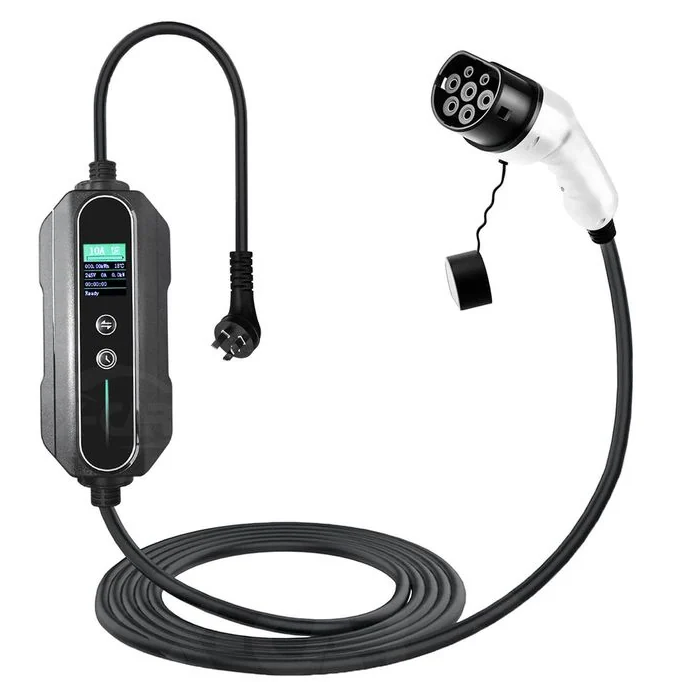
- The “granny charger” that probably came with your car is called an EVSE (Electric Vehicle Supply Equipment) as it is not a charger. Its the power cable for the charger built into your car. The most common 10A cable (example pictured left) will add about 100km of range to your car if you charge overnight, or flat to full in 1 to 2 days.
- Most people don’t need anything more than a 10A EVSE as pictured left. If you need more than 700km a week, you’ll need an electrician to install a hardwired wall-mount EVSE. These can supply all the way up to 7kW for single phase houses or 22kW for 3 phase houses, meaning you can charge from flat to full in a few hours.
- Uncoil cables before using – coils will overheat and potentially melt.
- If you’re plugging into a crusty old outlet, spray some electrical contact cleaner in first, and check how hot it gets after 10 minutes to avoid melting things. If its getting too hot – turn down the charge speed on your car’s settings screen.
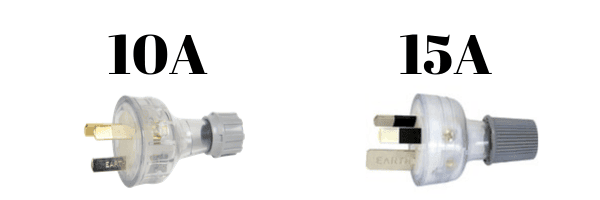
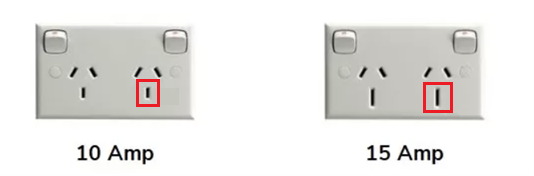
- Always pack a portable plug-in “charger” (EVSE) on road trips – even short trips – as a last resort. If you’re thinking of buying a dedicated one for leaving in the car, consider getting one with both 10A and 15A input plug options (pictured above). Lots of caravan parks have 15A outlets, which might save many hours of waiting. Consider taking a heavy duty 10A extension cord as well.
- Be a decent human and ask permission before you take power from someone’s outlet. Offer money.
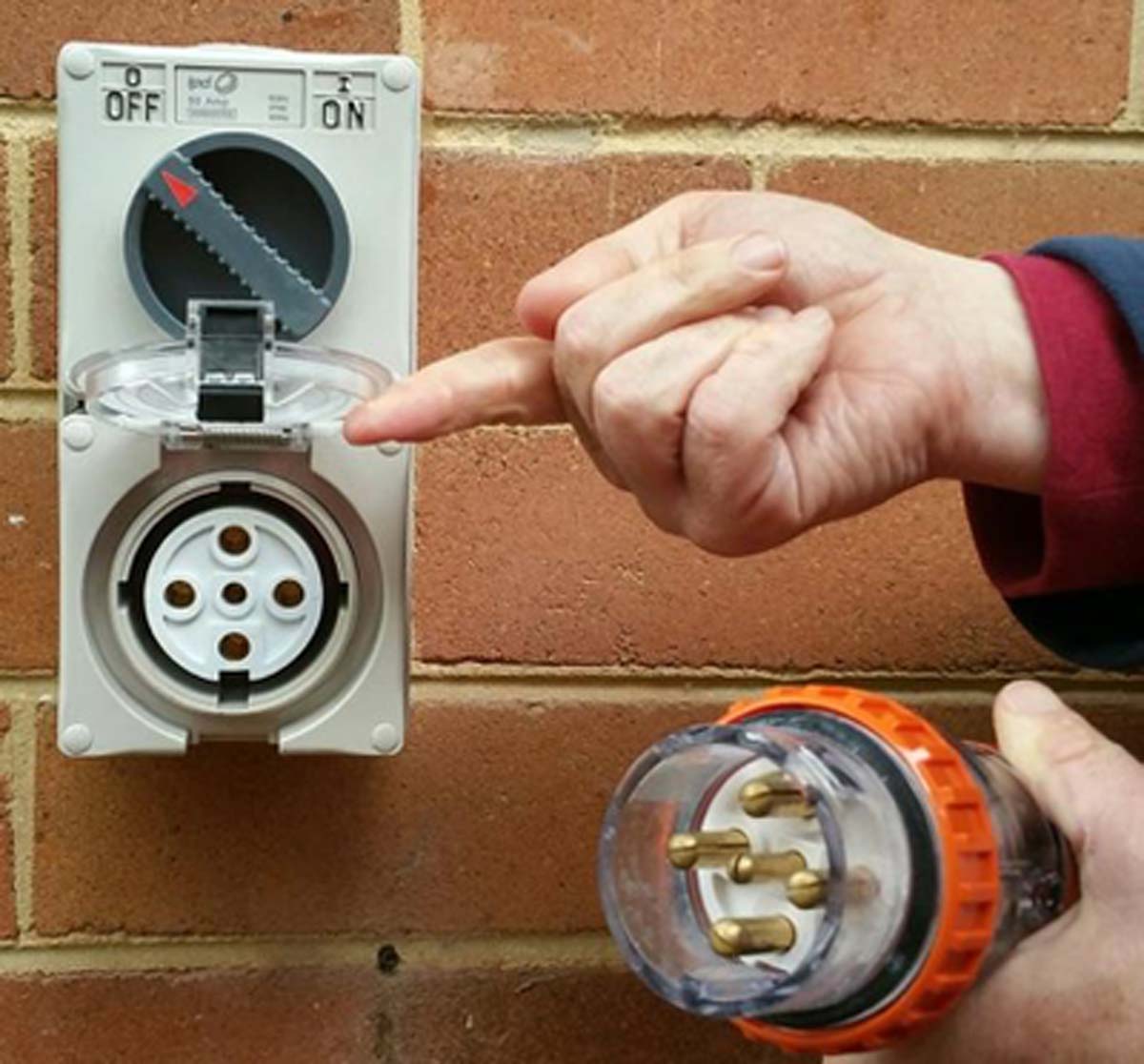
- If you’re going deep into the outback you’ll want a 3 phase EVSE and a bunch of “pigtails” (input plug options), so you can plug into industrial 3 phase as pictured left. Most remote locations on Plugshare are standard 3 phase outlets like this. Ask permission, ringing ahead is best.
This is my road tripping EVSE recommendation:
https://evchargers.com.au/product/portable-charger-3-phase-bundle/
EV Battery charging recommendations for maximum longevity
Its a good idea to familiarise yourself with which battery chemistry your car has: LFP or NMC. If your car has:
- LFP batteries – LFP batteries are very hardy – you really don’t have to “baby” them – Use the entire battery, or charge often – whatever suits your lifestyle. These are the main guidelines: Charge to 100% at least once every few weeks, and don’t leave it flat for long. If its at less than 10% charge, plug it in. LFP cars need to get to 100% occasionally for cell balance and range calibration.
- NMC batteries. These are higher energy density – usually found in the “long range” EV models (and your laptop and phone). These batteries will degrade faster if left below 20% or above 80% charge for long periods (days). The general guideline is set a charge limit to something like 70% for daily charging, and charge to 70% daily. For road trips, set your limit to 100% and use the full battery. Don’t forget to set it back to 70% after the road trip.
Range tips:
- Speed (wind resistance) makes a much bigger difference. In a petrol or diesel car, there’s far more energy onboard but most of it is being wasted to heat, so going faster uses more energy but its nothing compared to whats being wasted. If you ever need to get more range on a road trip in an EV, going 10km/h slower will significantly increase your range. However you’re always better off taking on more charge so you can drive at the same speed as everyone else. Avoid causing trucks to slow down!
- Your battery can take on its fastest charge when its close to flat, and slows down a lot above 80%. To optimise for time on road trips, aim to arrive at each fast charger close to empty, and only take on the power you need to get to the next charger. Be sure to check plugshare and get confidence that the next charger is working.
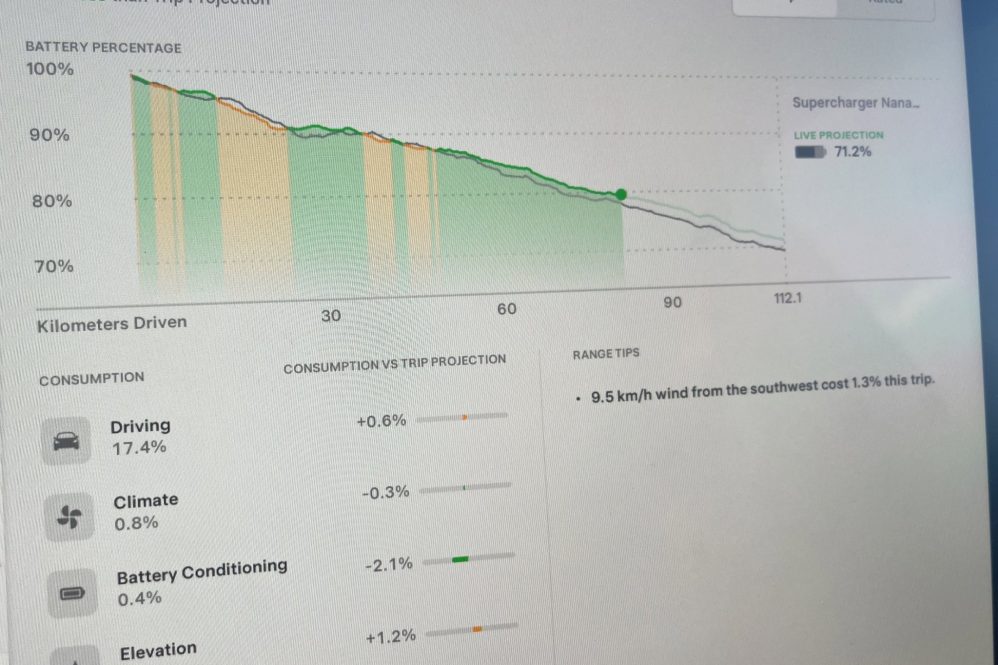
- Use your car’s live range prediction – If it says you’re going to arrive at the next charger with plenty of energy to spare, you can go faster. If not, slow down a bit.